
“The client is the first architect.” — Álvaro Siza Vieira
“there is no such thing as Passivhaus architecture.”
This sentence captures one of the most important ideas in architecture. It is also one of the most misunderstood when we talk about Passivhaus.
There is a common perception that a project developed according to the Passive House standard inevitably leads to a particular form, a particular spatial organisation or a particular architectural language.
The standard defines the destination. It does not define the path.
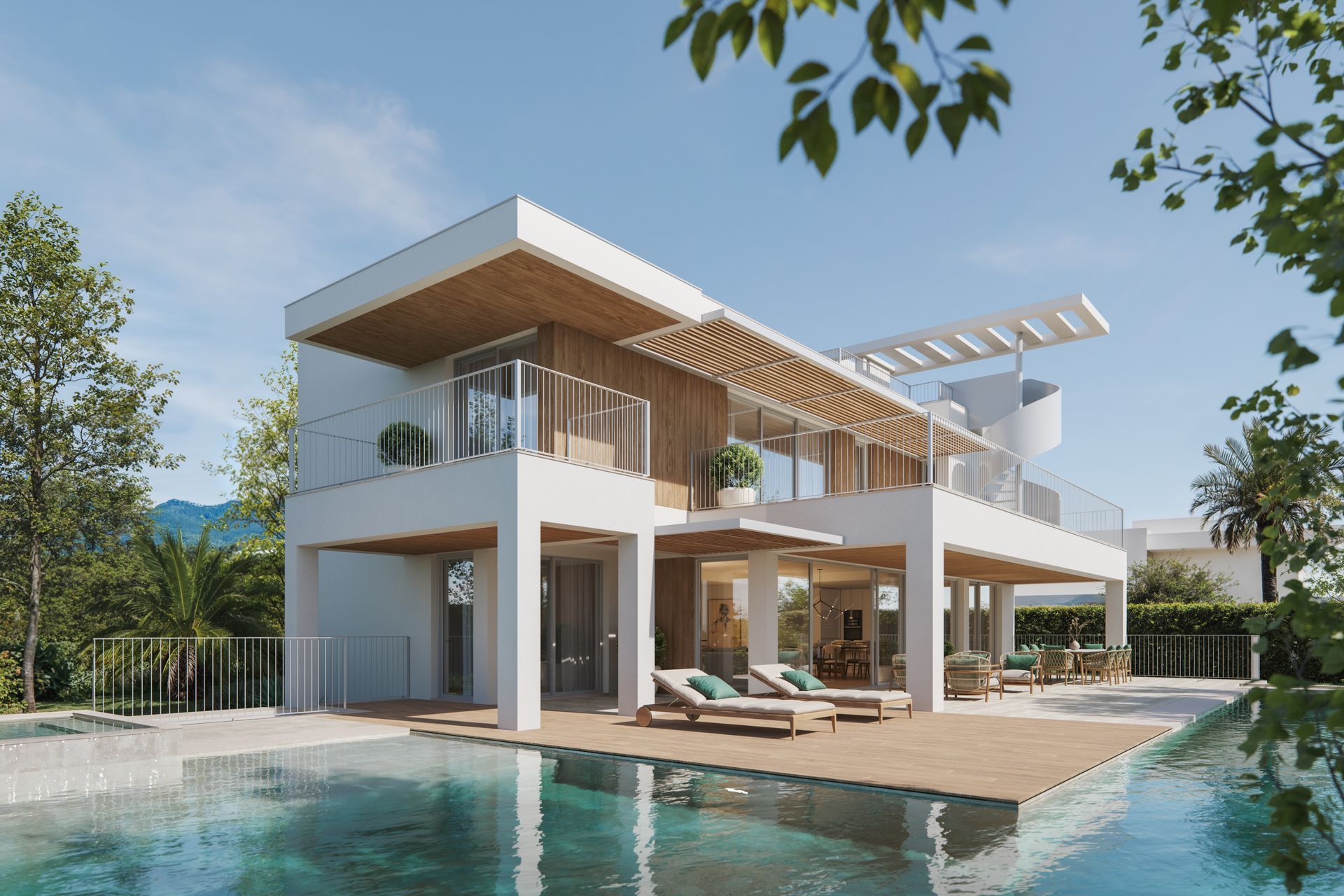
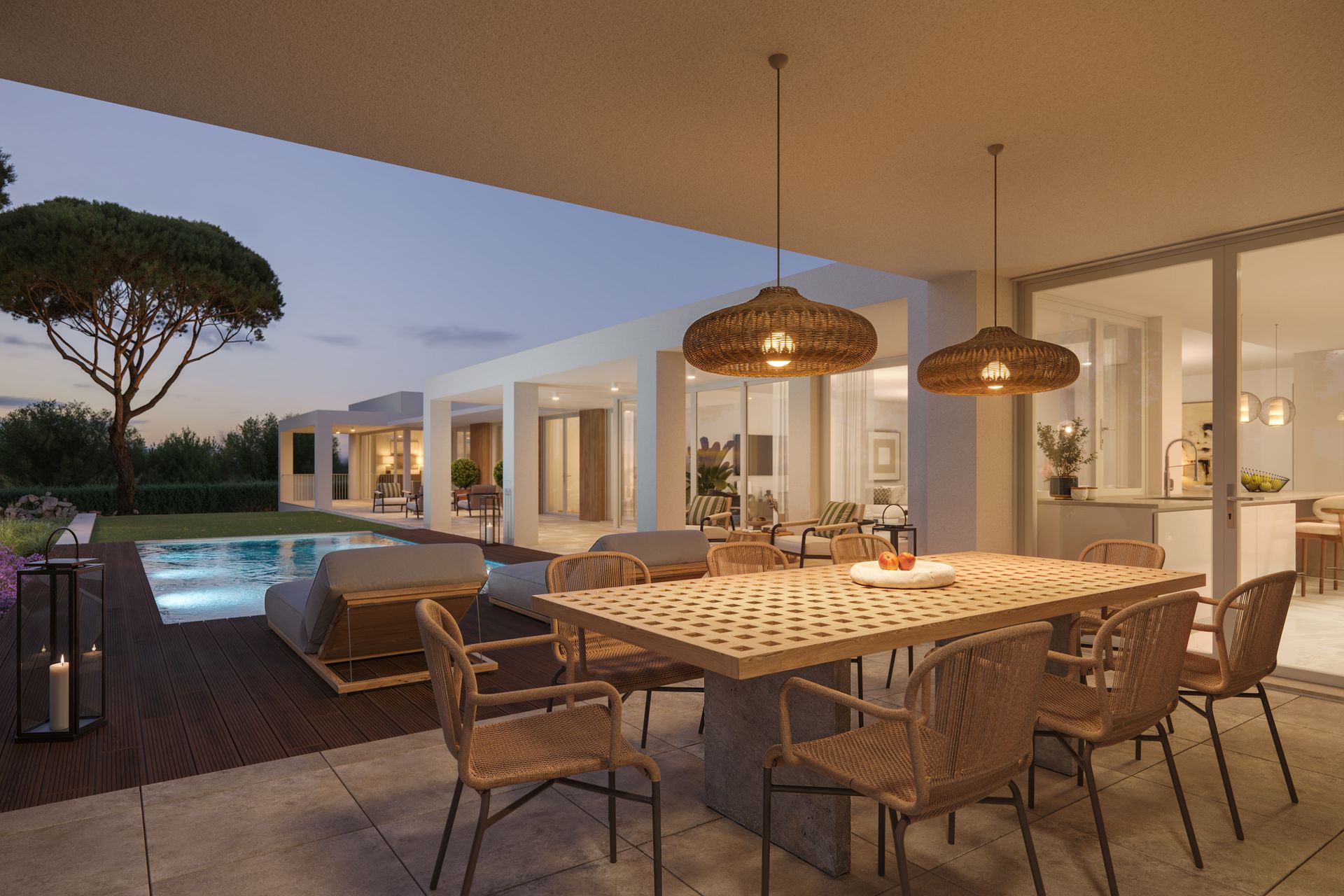
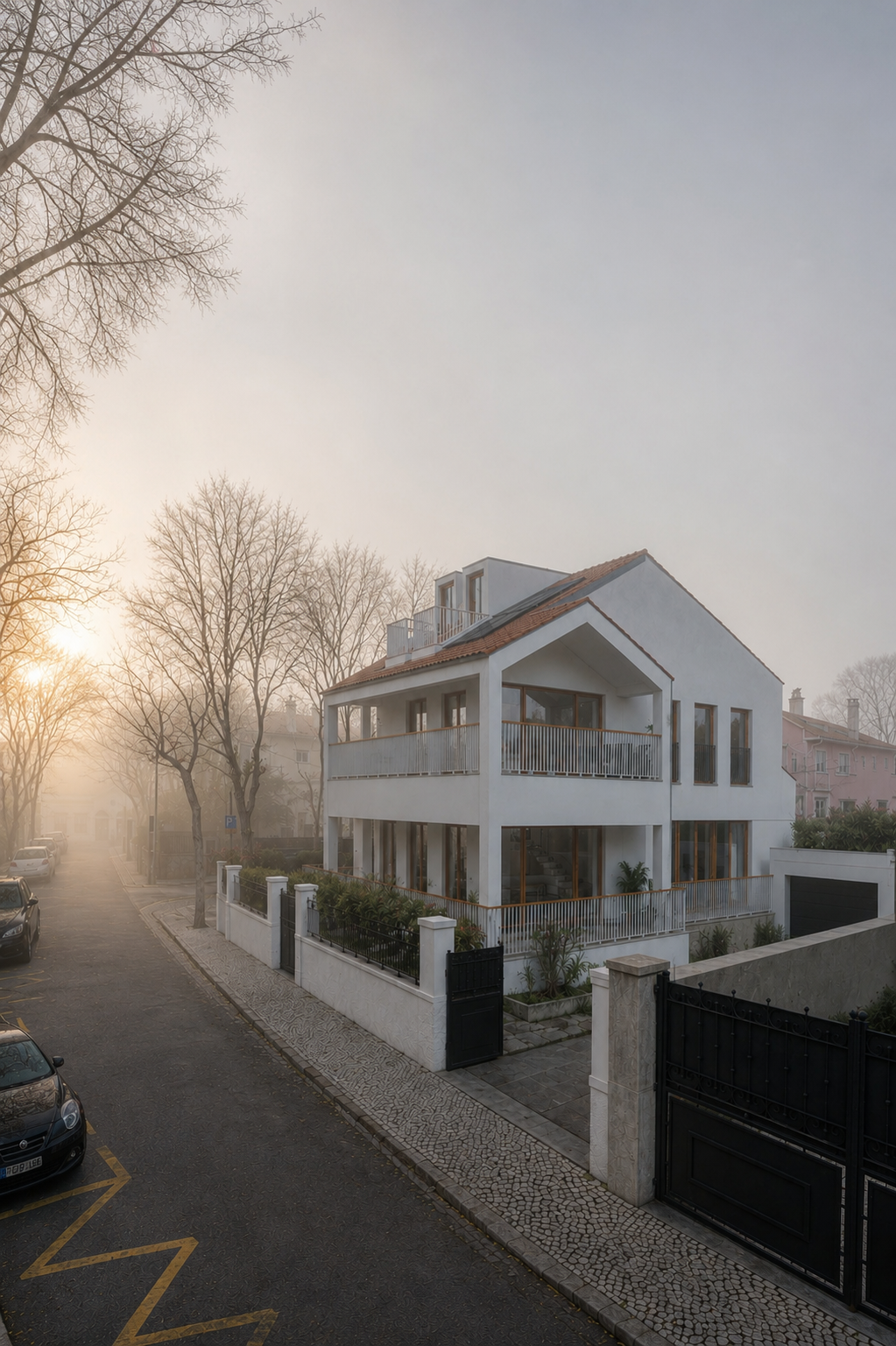
For the same site, there may be dozens, hundreds or even thousands of architectural solutions compatible with the Passivhaus standard. Each one reflects a different way of living, occupying space, and relating to the landscape, daylight, privacy or budget.
Passivhaus does not reduce this universe of possibilities to a single solution.
It simply eliminates those solutions that cannot provide the level of comfort, energy efficiency and indoor environmental quality required by the standard.
In many cases, this demands creative solutions and carefully considered compromises. The most efficient solution for one particular aspect is not always the best solution for the project as a whole. What matters is that these compromises are conscious, well-founded, and that their impact on overall performance remains under control.
If every client is unique, and every place is unique, there can never be a single architectural response.
Within that universe, there is still complete freedom to create.
That is precisely where architecture makes the difference.
And, as Wolfgang Feist reminds us, “there is no such thing as Passivhaus architecture.” The standard defines performance.
Architecture remains the responsibility of the architect.